- Free plan
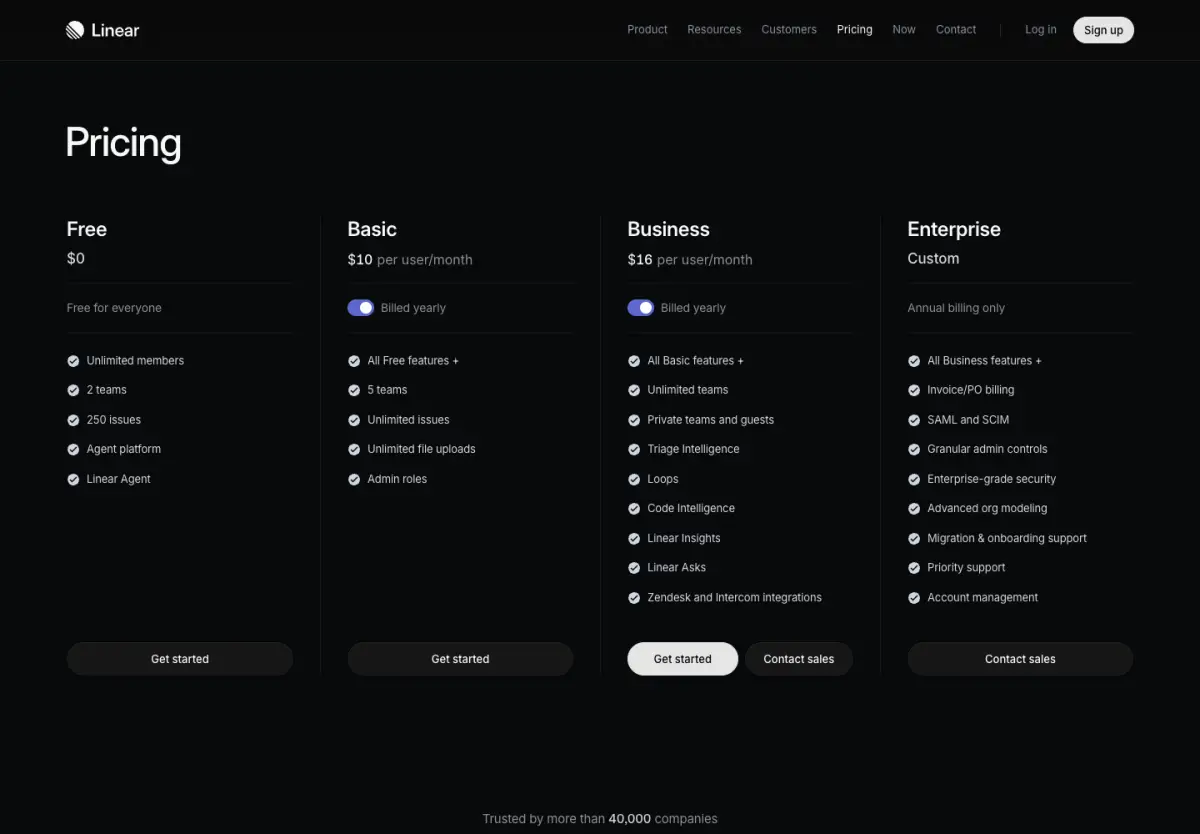
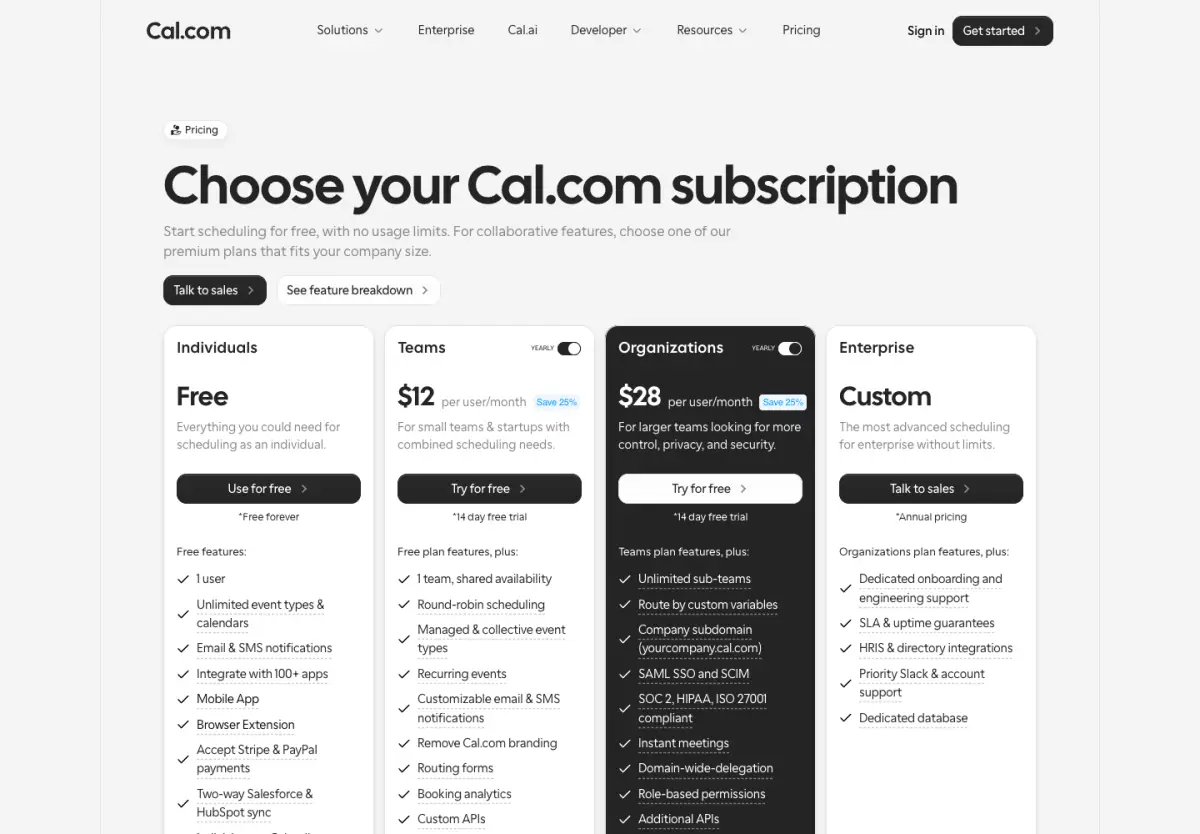
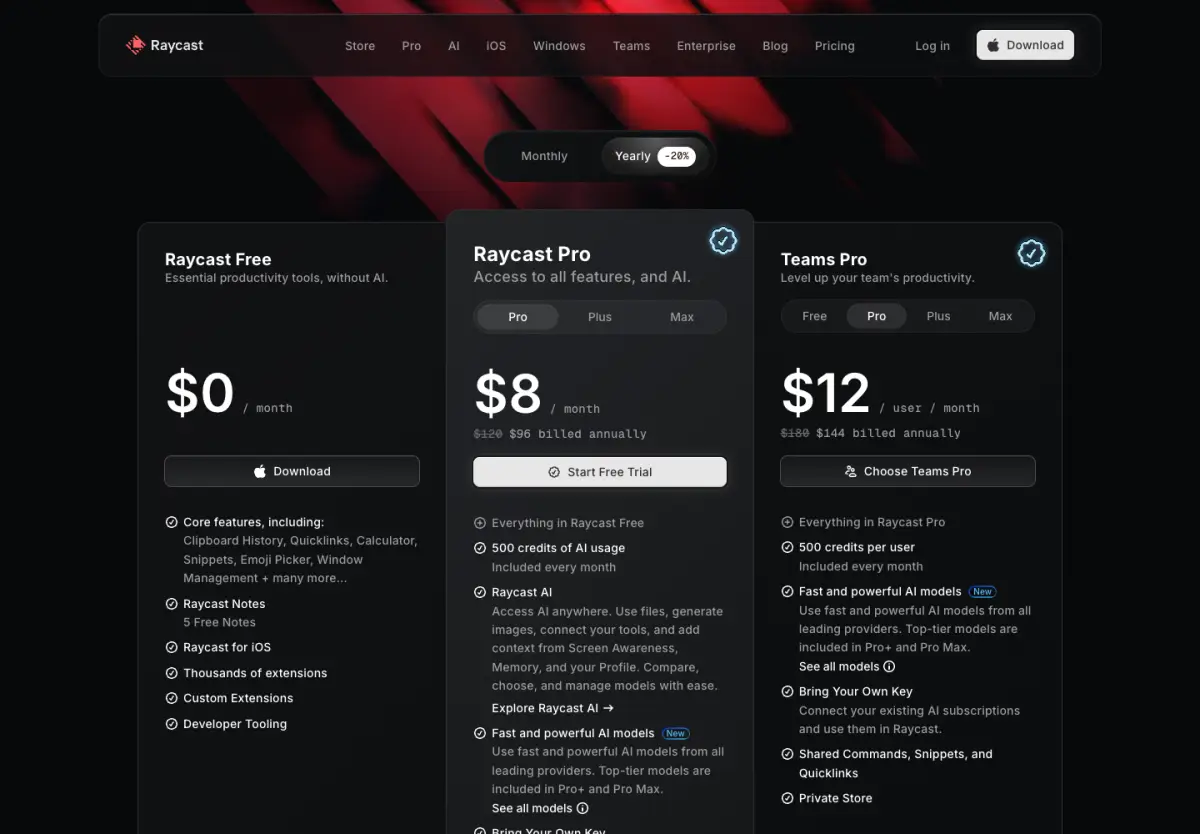
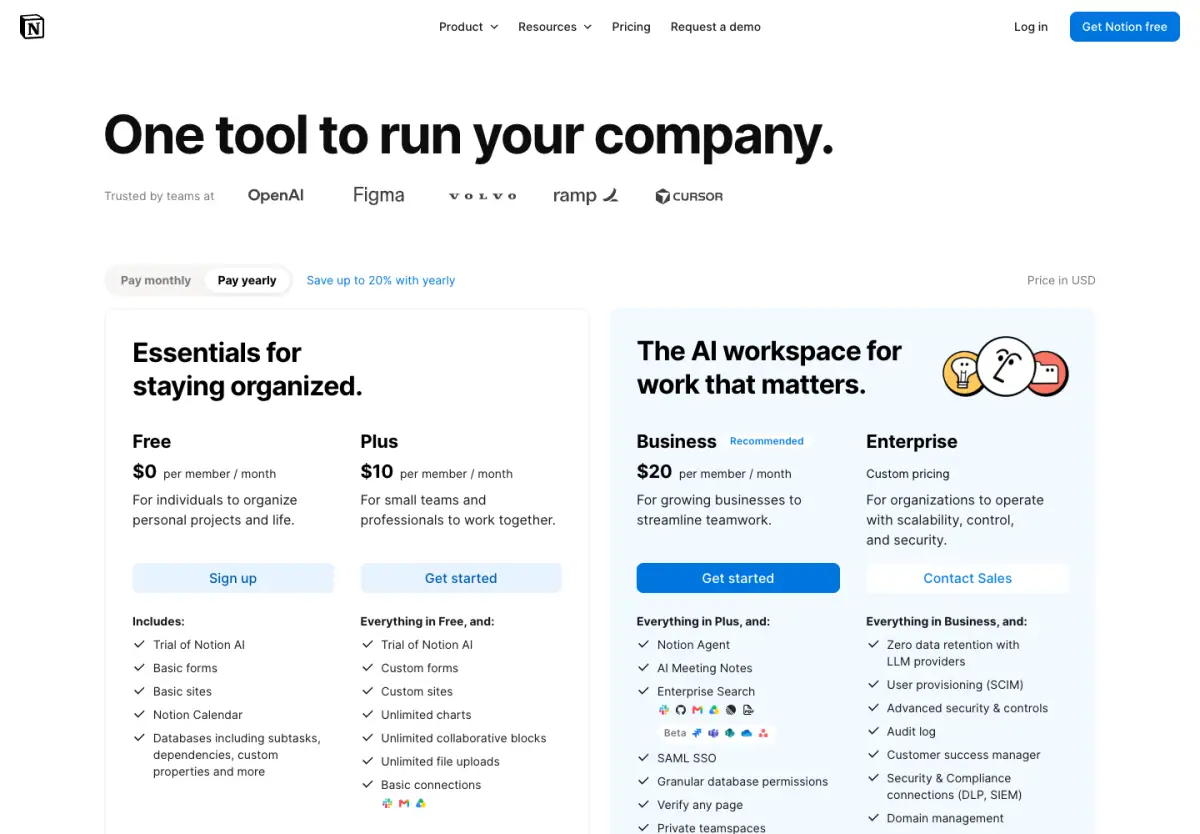
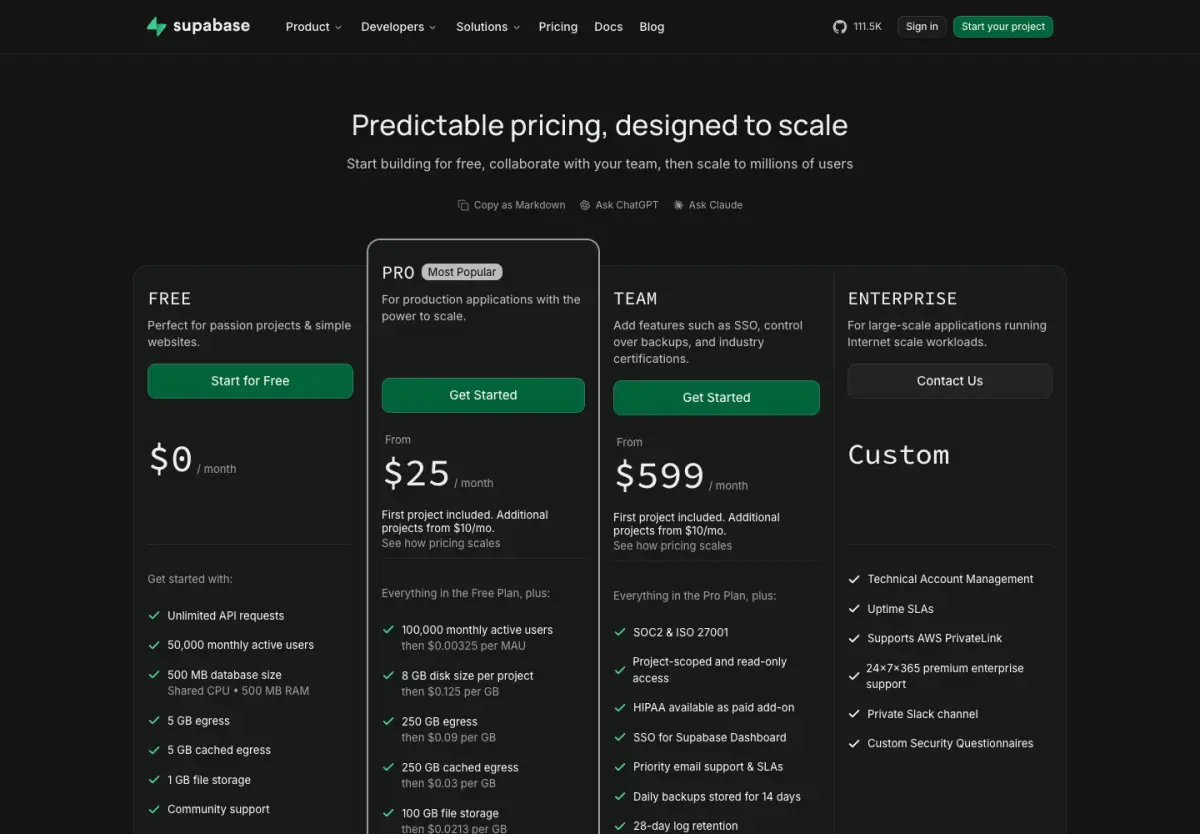
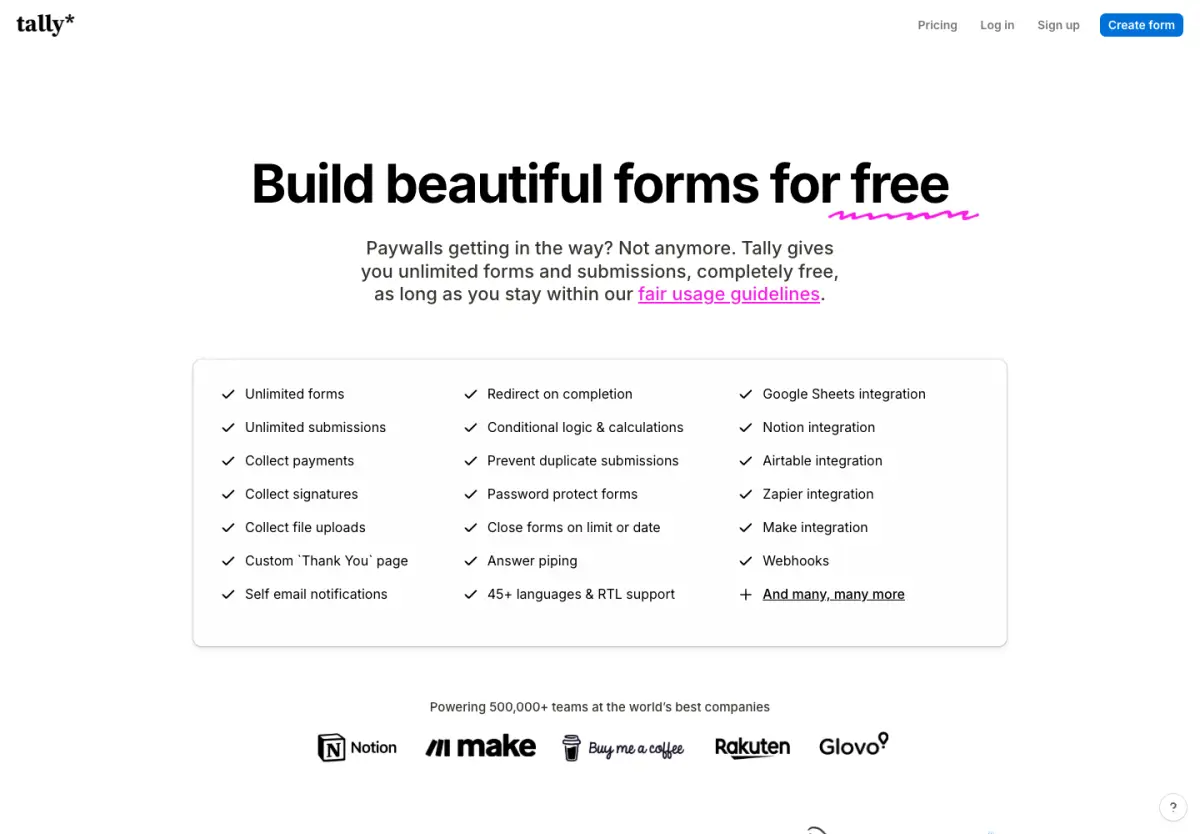
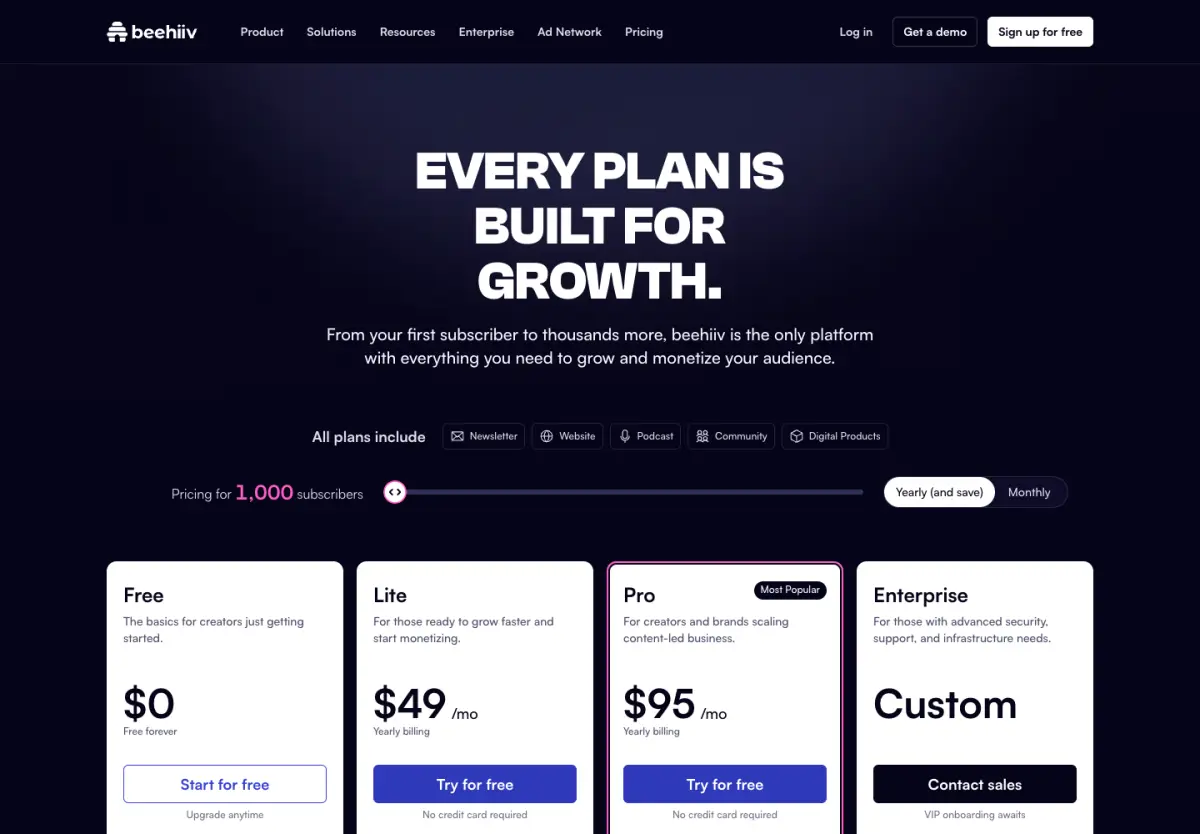
Give away the core and charge when the customer gets serious: a team, a brand, a business. Linear and Loom put the line at a count you reach in normal use, Cal.com at the second person, Tally at your own brand. Examples: Linear, Cal.com, Raycast, Notion, Supabase, Tally, beehiiv, Carrd, Basecamp, Loom.
- Free trial
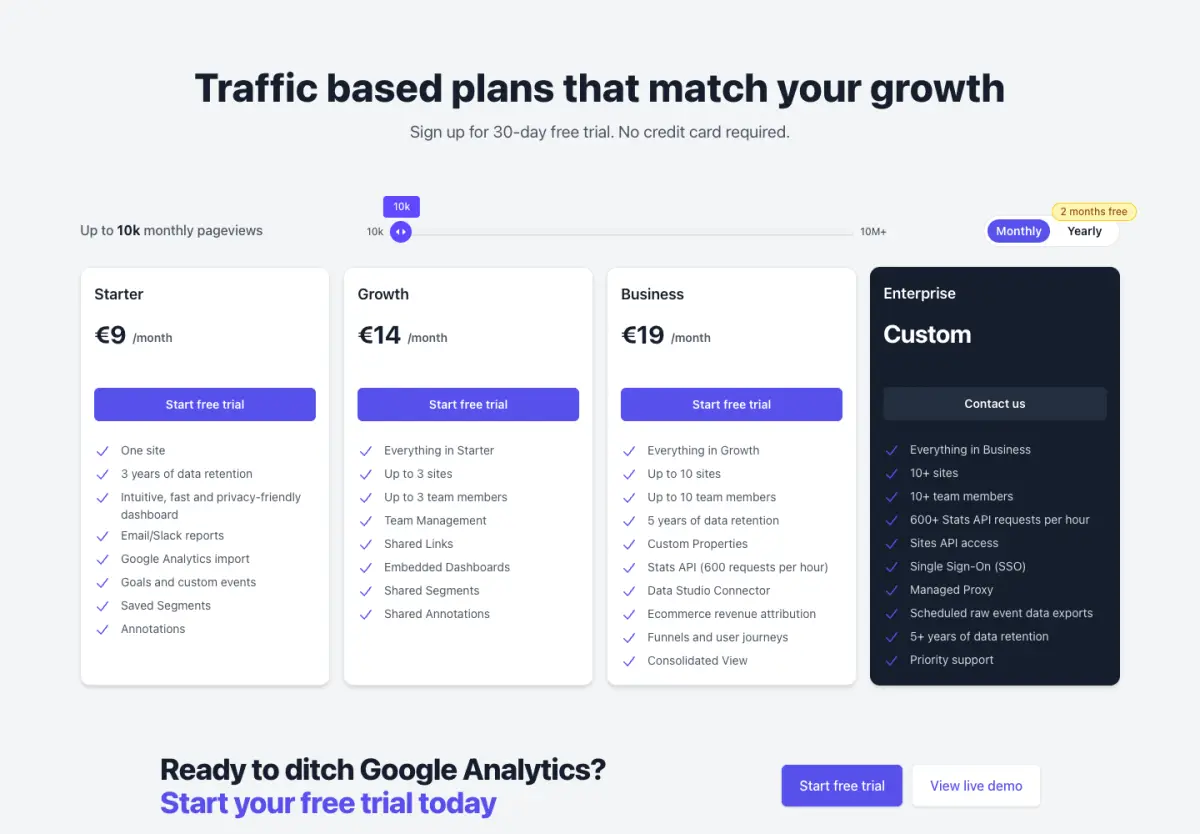
No free plan, a time-boxed trial instead. Plausible asks for no card; Fathom asks for one and emails before billing. Pick the trial when the product only shows its value with real data. Examples: Plausible, Cal.com, Raycast, beehiiv, Basecamp, Fathom Analytics, Loom.
- Priced by usage
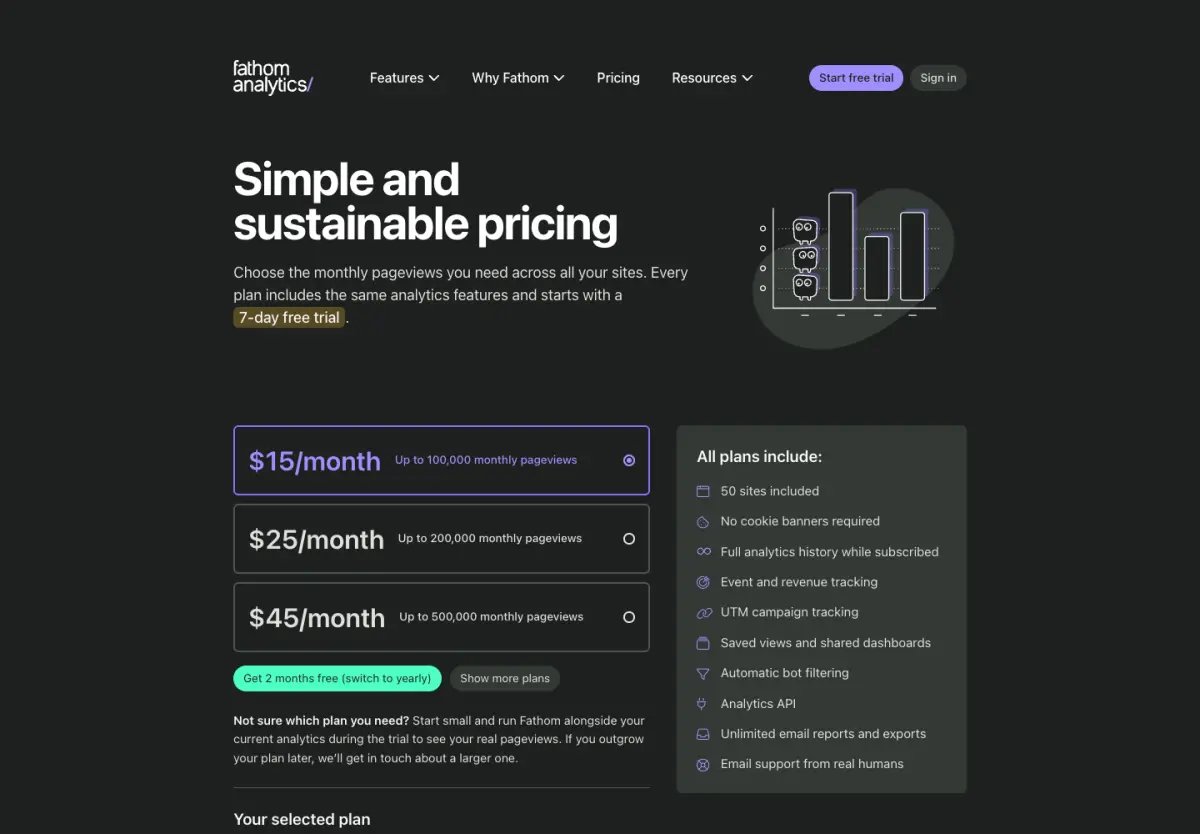
The price follows a number the customer already watches: pageviews (Plausible, Fathom), subscribers (beehiiv), users and storage (Supabase). A slider on the page shows the next step before they reach it. Examples: Plausible, Supabase, beehiiv, Fathom Analytics.
- Flat price, no per-seat
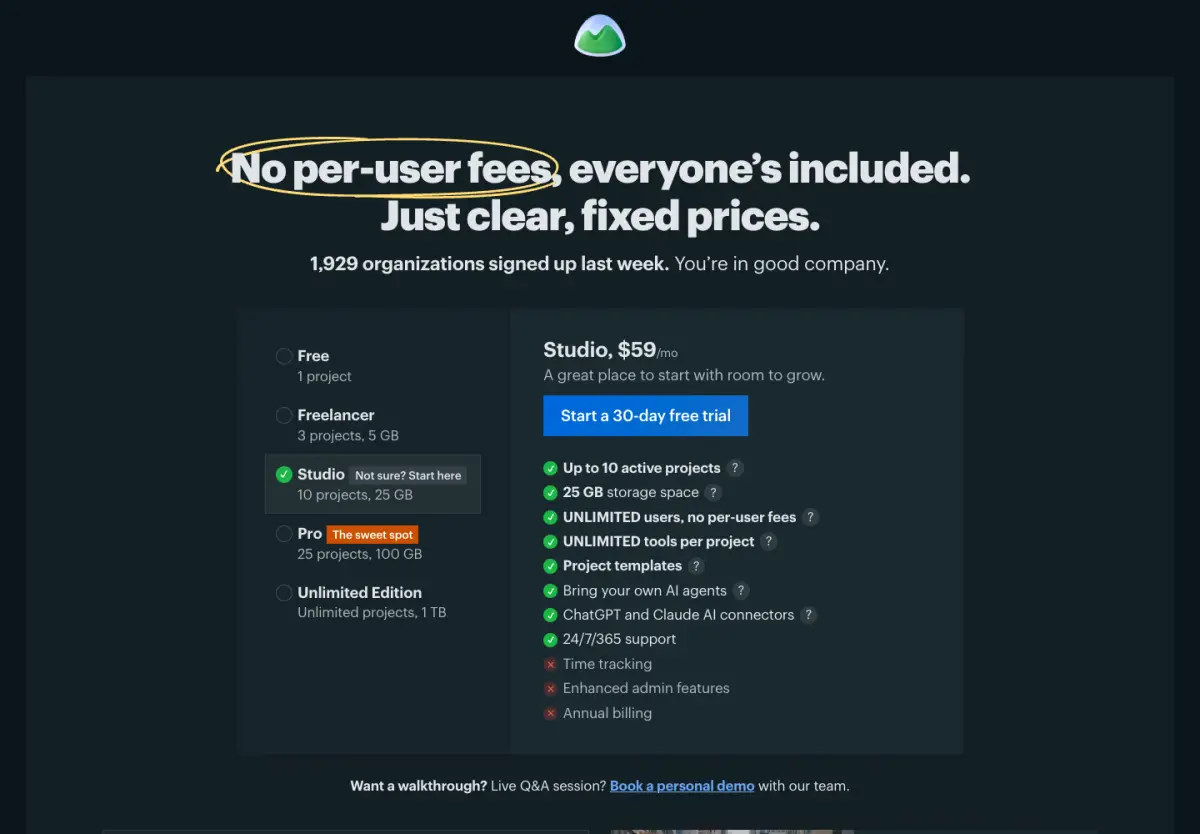
One price for the whole team. Basecamp makes “no per-user fees” the headline. It wins teams that grow headcount faster than budget. Examples: Basecamp.
- Per seat
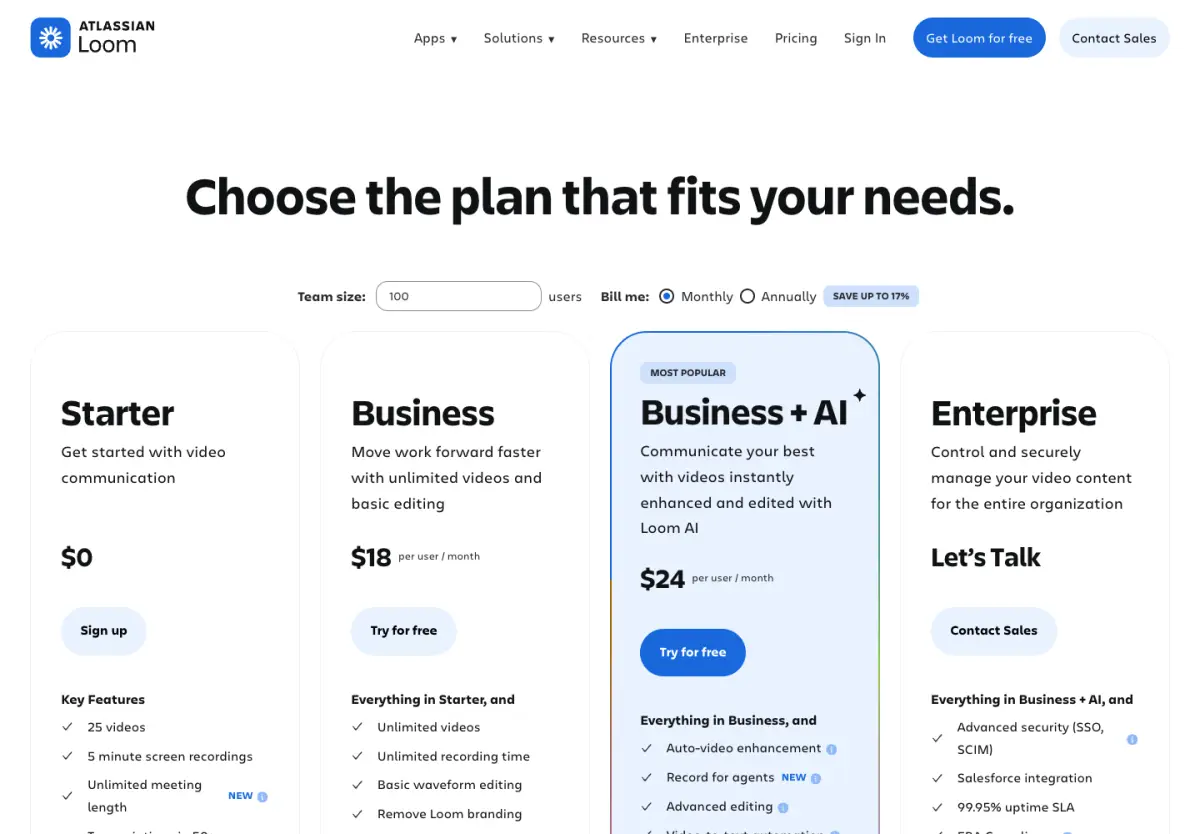
Price per person, the default for team software (Linear, Notion, Cal.com, Loom). It grows with the customer, and it also gives them a reason to share logins. Examples: Linear, Cal.com, Notion, Loom.
- Yearly only
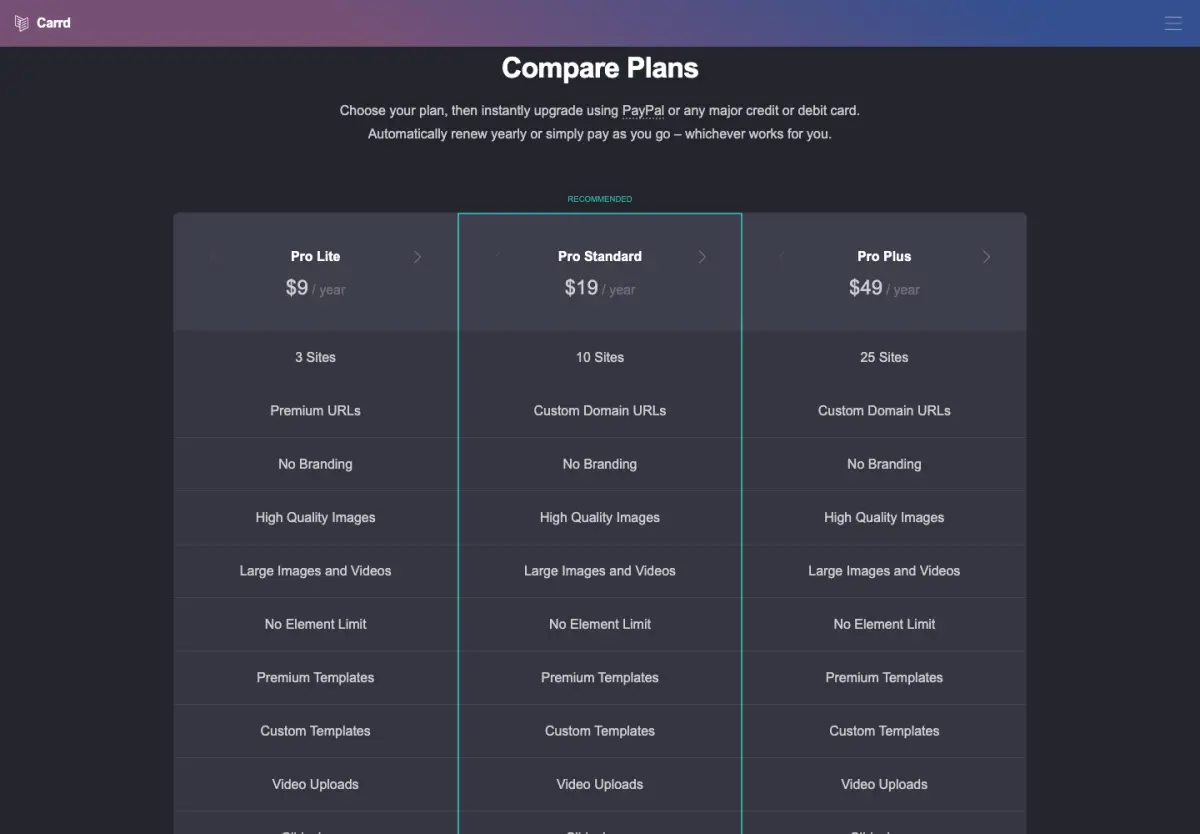
Yearly only, at a price low enough not to think about. Carrd sells a whole year for less than one month of most tools. Examples: Carrd.
- AI credits
AI costs real money per use, so it is the part that is paid or metered: Raycast’s monthly AI credits, Notion’s $10 per 1,000 extra credits, Loom’s AI tier. Examples: Raycast, Notion, Loom.